
 uk
uk 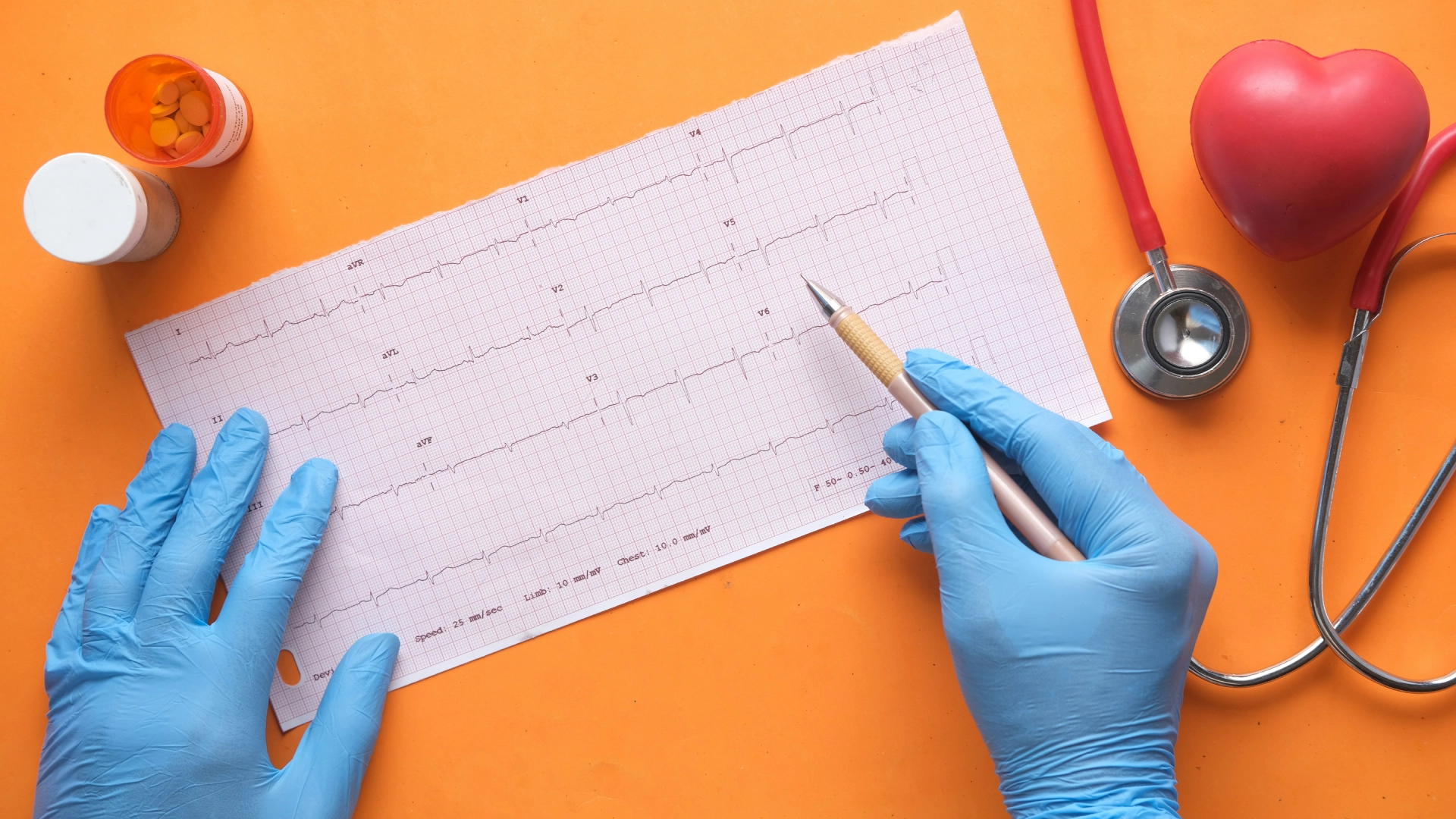
Daily ECG monitoring (or Holter monitoring) is an important and necessary method of diagnosis to detect heart rhythm disorders that may be invisible during a routine doctor’s examination. This method helps to detect temporary or periodic cardiac disorders that can be potentially dangerous to health.

What is daily ECG monitoring?
Daily ECG monitoring is a method of continuous recording of the electrical activity of the heart using a special device called a Holter monitor. The procedure is performed for 24 hours or more, which allows doctors to get a complete picture of the patient’s cardiac activity in a normal way of life.
How does Holter monitoring work?
A Holter Monitor is a portable device that records electrical pulses generated by the heart. The device is equipped with electrodes that are glued to the patient’s skin in the chest. These electrodes transmit data to a monitor that records information within a day or longer.
During the monitoring, the patient can lead a normal life, go to work, go shopping or even sleep. This allows doctors to monitor the condition of the heart in the wild, revealing invisible during the usual examinations of the disorder.
Сертифікований нутріціолог

Caring for you is our advantage
Indications for daily ECG monitoring
Holter ECG monitoring is recommended for the following symptoms and conditions: Suspicion of cardiac arrhythmias (arrhythmias):
Patients with suspected atrial fibrillation, tachycardia, bradyarrhythmia or other arrhythmias.
Chest pain or shortness of breath: when a traditional examination does not reveal the causes of pain or shortness of breath.
Dizziness and fainting: often occur due to cardiac arrhythmias.
High blood pressure: detection of a connection between blood pressure and cardiac disorders.
Monitoring the effectiveness of treatment: for monitoring patients treated for heart disease to assess the heart’s response to prescribed therapy.
History of abnormalities: for patients with a family history of heart disease, including heart attacks, strokes or cardiac arrhythmias.

How is the procedure of daily ECG monitoring?
The daily ECG monitoring procedure is a simple and painless process that includes several stages:
Preparation for the procedure
Before installing the Holter monitor, the doctor will consult and explain to the patient how to wear the device during the day. After that, special electrodes are glued to the patient’s chest, which will register the electrical impulses of the heart. This stage takes only a few minutes.
Installation of a Holter device
After gluing the electrodes to the patient, the device is installed. It is fixed on the belt or neck, and all wires are connected to the electrodes. The monitor provides continuous recording during the day, and the patient may not feel discomfort.
Monitoring period (24 hours)
The patient continues to live a normal life, while the device records all the electrical impulses of the heart. When wearing the monitor, you should avoid immersion in water (shower, bath), as well as heavy exercise.
Device removal
At the end of the day, the patient comes to the clinic, where the medical worker removes the device and electrodes. This stage takes a few minutes.
Analysis of results
After removing the device, the doctor analyzes the data. This allows you to detect even rare or temporary arrhythmias, which was not visible during standard examinations.
Advantages of daily ECG monitoring
Invisible heart rhythm disturbances:
Helps to identify disorders that may not occur during the usual cardiological examination.
Security:
This is a painless and non-invasive procedure that does not require surgery.
Convenience for the patient:
The patient can lead a normal life, which allows you to record the ECG in real conditions.
Accuracy of results:
Because monitoring lasts a day, the doctor can get an accurate picture of the heart condition for a long time.
Contraindications to Holter monitoring
Although this study is safe for most patients, there are several contraindications to it:
- Allergy to the materials from which the electrodes are made.
- Severe skin diseases that can complicate the installation of electrodes.
- The presence of a pacemaker or defibrillator that may interfere with the normal operation of the device.
Відгуки наших клієнтів
Головченко Дмітрій
Найкращий уролог, який тільки може бути! Обережна,чуйна! З золотими руками! За 4 роки ходіння по інших лікарях ,3 операціях ,лише Наталія Леонідівна вирішила проблему,за що їй безмежно вдячна!
Volkov Maxim Yurievich
Conclusions
Daily ECG monitoring is an effective and safe method of diagnosis that allows you to detect heart rhythm disorders and assess heart function in everyday life. This is especially important for patients with suspected heart disease, as well as to monitor the condition of patients who are already receiving treatment for heart disease.
If you notice any unpleasant symptoms or just want to check your heart, see a doctor and he may recommend that you perform Holter ECG monitoring for an accurate diagnosis. This is the only way to ensure timely treatment and prevent serious complications.
Питання на тему
Звертатися до лікаря варто при будь-яких незвичних симптомах, що турбують вас більше кількох днів. Особливо важливо негайно звернутися за медичною допомогою при болях у грудях, задишці, запамороченні, різких змінах самопочуття або хронічних симптомах, які погіршуються.
Несвоєчасне лікування може призвести до ускладнень, переходу гострих форм захворювань у хронічні, розвитку супутніх патологій та значно ускладнити процес одужання. У деяких випадках це може становити загрозу для життя пацієнта.
При різких болях у серці негайно викличте швидку допомогу (103). До її приїзду присядьте або приляжте, забезпечте доступ свіжого повітря, розстебніть тісний одяг. Якщо лікар раніше призначав нітрогліцерин – приймайте згідно інструкцій. Не залишайтеся на самоті.
Аритмія може бути як відносно безпечною (наприклад, при стресі або вживанні кофеїну), так і сигналом серйозних проблем із серцем. Важливо пройти обстеження у кардіолога для з’ясування причин і призначення відповідного лікування при необхідності.